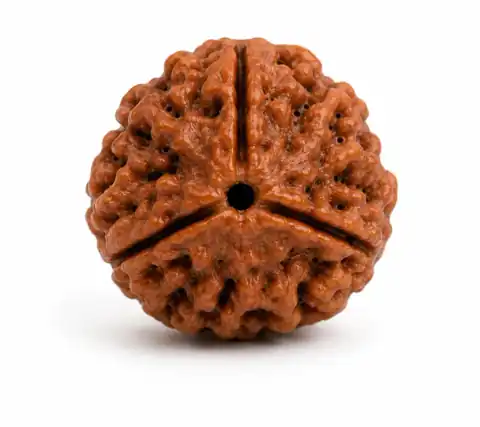
Rudraksha for Zodiac Sign and Planets: Which One Should You Wear?
1 to 9 mukhi rudraksha and their traditional planets, a rashi-wise table, why a chart check beats sign-only advice, how to wear and energise it, and spotting fakes.

In this article
- Key takeaways
- Rudraksha and the nine planets
- Rudraksha for each zodiac sign (rashi)
- Why your chart matters more than your sign
- 1. Your lagna lord
- 2. Your running mahadasha
- 3. Planets that need support
- How to wear and energise rudraksha
- Using a japa mala
- Lab certification and spotting fakes
- What actually works
- Tests that do not work
- Common mistakes when choosing rudraksha
- Keeping expectations healthy
Traditionally, each rudraksha mukhi is linked with a planet: 1 mukhi with the Sun, 2 with the Moon, 3 with Mars, 4 with Mercury, 5 with Jupiter, 6 with Venus, 7 with Saturn, 8 with Rahu and 9 with Ketu. You can pick a rudraksha for your zodiac sign through its ruling planet, but a choice based on your full kundali, especially your lagna and running dasha, is more meaningful. Rudraksha is a spiritual support, not a guaranteed fix.
Key takeaways
- Each mukhi (face) of rudraksha has a traditional ruling planet and deity, though traditions vary.
- Choosing a rudraksha for zodiac sign uses the sign's ruling planet; choosing by chart considers lagna, weak planets and dasha.
- The 5 mukhi is the universal bead, suitable for everyone.
- Wear it with simple, regular devotion; costly rituals are not needed.
- Insist on lab certification; home "tests" are unreliable.
Rudraksha and the nine planets
Rudraksha are the dried seeds of the Elaeocarpus ganitrus tree, found mainly in Nepal, the Himalayan foothills and Indonesia. The natural lines running from top to bottom are called mukhis. Texts such as the Shiva Purana and Padma Purana describe each mukhi with a presiding deity, and later astrological practice added planetary links.
| Mukhi | Planet | Traditional deity | Associated qualities |
|---|---|---|---|
| 1 mukhi | Sun | Shiva | Focus, leadership, inner clarity |
| 2 mukhi | Moon | Ardhanarishvara | Emotional balance, relationships |
| 3 mukhi | Mars | Agni | Confidence, letting go of the past |
| 4 mukhi | Mercury | Brahma | Learning, speech, memory |
| 5 mukhi | Jupiter | Kalagni Rudra | Calm, wisdom, daily japa |
| 6 mukhi | Venus | Kartikeya | Grace, harmony, creativity |
| 7 mukhi | Saturn | Lakshmi | Patience, steady effort, prosperity |
| 8 mukhi | Rahu | Ganesha | Removing obstacles, clear thinking |
| 9 mukhi | Ketu | Durga | Courage, protection, inner strength |
Traditions vary: some schools link the 12 mukhi with the Sun (a genuine 1 mukhi is rare and costly), and a few associate the 4 mukhi with Jupiter or Brahma rather than Mercury. These differences are normal. Follow one consistent tradition rather than mixing advice from many sources.
Beads with more faces exist too, from 10 to 21 mukhi and special forms such as Gauri Shankar (two beads naturally joined) and Ganesh rudraksha. They have their own deities and uses, but they are rare, costly and not linked to a single planet in the navagraha scheme. For planetary support, the 1 to 9 mukhi range covers everything most people need.
Rudraksha for each zodiac sign (rashi)
The simplest way to pick a rudraksha for zodiac sign is through the planet that rules your Moon sign or lagna. Most Indian astrologers use the rashi (Moon sign) or the ascendant, not the Western Sun sign. You can find both in a free kundali.
| Sign | Ruling planet | Traditional rudraksha |
|---|---|---|
| Aries (Mesh), Scorpio (Vrishchik) | Mars | 3 mukhi |
| Taurus (Vrishabh), Libra (Tula) | Venus | 6 mukhi |
| Gemini (Mithun), Virgo (Kanya) | Mercury | 4 mukhi |
| Cancer (Kark) | Moon | 2 mukhi |
| Leo (Simha) | Sun | 1 mukhi or 12 mukhi |
| Sagittarius (Dhanu), Pisces (Meen) | Jupiter | 5 mukhi |
| Capricorn (Makar), Aquarius (Kumbh) | Saturn | 7 mukhi |
If your Moon sign and lagna point to different planets, you do not have to choose blindly. Many astrologers give the lagna lord priority, because it represents the body and overall direction, and then consider the Moon sign lord as a second bead or a later addition. Looking up your rudraksha for zodiac sign is a quick way to begin, as long as you treat the table as a shortlist.
Some people also combine beads. A popular trio is the 5, 6 and 7 mukhi together, linking Jupiter, Venus and Saturn, which many wear for general balance in work and home life.
Why your chart matters more than your sign
A rashi table is a starting point, but two Capricorns can have very different needs. When people ask "which rudraksha should I wear?", an astrologer will usually look at three things.
1. Your lagna lord
The lord of the ascendant represents you. Strengthening it is a common, low-risk choice. For a Gemini lagna, that would point to the 4 mukhi; for a Libra lagna, the 6 mukhi.
2. Your running mahadasha
The planet whose dasha you are in shapes the current chapter of life. Someone in Saturn mahadasha, or going through Sade Sati, may be advised a 7 mukhi as support. Someone in Rahu dasha might consider the 8 mukhi.
3. Planets that need support
A debilitated or afflicted planet that rules important houses can be supported with its rudraksha. Unlike gemstones, rudraksha is traditionally not believed to strengthen a planet in a harmful way, which is why it is often suggested where a gemstone would be risky.
An astrologer for spiritual growth can help match a bead to your practice and chart, and you can browse all astrologers by language.
How to wear and energise rudraksha
Wearing rudraksha does not need an elaborate or expensive ceremony. A simple, sincere routine is enough.
- Choose a day: Monday, dedicated to Lord Shiva, is the usual choice. Some people pick the day of the bead's planet, such as Saturday for 7 mukhi. Check the panchang for a good tithi if you like, or choose an auspicious muhurat.
- Cleanse: rinse the bead in clean water or Ganga jal. Some families also dip it briefly in raw milk.
- Offer and chant: place it before an image of Shiva, light a diya and chant "Om Namah Shivaya" 108 times. You may add the planet's mantra if you know it.
- Wear: on a red or black silk thread, or capped in silver or gold, so that it touches the skin. Around the neck or on the right wrist are both traditional.
- Keep it up: a few minutes of daily prayer or japa keeps the practice alive. That is what really "energises" the bead.
For practical care, avoid soap, perfume and chlorinated water, and oil the bead lightly every few months. Our guide on how to wear and care for a rudraksha mala covers this in detail.
Using a japa mala
A 108-bead 5 mukhi japa mala is used for counting mantras. It is a meaningful way to combine rudraksha with daily practice, whatever your sign.
Lab certification and spotting fakes
Because higher mukhis are rare and costly, the market has many fakes. Common tricks include carving extra lines on a bead, gluing two beads together, filling cracks, and selling lookalike seeds as rudraksha.
What actually works
- X-ray or CT scan: a genuine bead has internal compartments, each holding a seed, that match the number of mukhis. This is the most reliable check.
- Independent lab certificate: buy from sellers who give a certificate you can verify, not just a printed card.
- Close inspection: natural mukhis run cleanly from top to bottom; carved lines look sharp, uneven or stop midway.
Before paying, ask the seller for clear photos of the actual bead from several sides, its size in millimetres and its weight, and check that the certificate number matches the bead you receive. A trustworthy seller will be happy to share these details.
Tests that do not work
Floating or sinking in water, spinning between copper coins and boiling tests are unreliable. Dense genuine beads may float, and fakes may sink. Read our full guide on real vs fake rudraksha before buying.
Nepali rudraksha are usually larger with deeper, clearer mukhis, while Indonesian beads are smaller and smoother. Both are genuine if certified; the choice is personal. You can compare options in our Nepali rudraksha collection or the wider rudraksha collection, and read which rudraksha is right for you for more help.
Common mistakes when choosing rudraksha
- Buying the rarest bead first. Higher mukhis are not automatically better. A well-chosen 5 or 7 mukhi worn regularly is more useful than an expensive bead kept in a drawer.
- Using the Western Sun sign. Indian rudraksha advice is based on the sidereal rashi or lagna. Your newspaper sign may be one sign off.
- Ignoring the dasha. The planet running your current period often matters more than your birth sign.
- Paying extra for "special energisation". Sincere personal prayer is the traditional way. Costly add-ons are not required.
- Skipping certification. Without a lab report, you cannot be sure what you bought.
When you weigh these points, choosing a rudraksha for zodiac sign and chart together becomes a calm, informed decision rather than an impulse.
Keeping expectations healthy
Rudraksha is a sacred aid for focus, devotion and steadiness. It is not a replacement for effort, medical treatment or sound decisions. If you are dealing with a health issue, see a doctor; if you are facing a career or relationship challenge, combine practical steps with your spiritual practice. A bead worn with understanding tends to feel far more meaningful than one bought out of fear.
Make your free kundali to see your lagna, rashi and current dasha, then talk to an astrologer about the right rudraksha for you. Chat or call verified human astrologers or clearly labelled AI astrologers, billed per minute.